
Khinkali in Tbilisi
The Vakhtanguri khinkali recipe has been unchanged since 1993. The restaurant is in Avlabari, at 4 Lagodekhi Street, a two-minute walk from Avlabari metro station.
The menu lists six kinds of khinkali: kalakuri, kalakuri without herbs, beef, cheese, mushroom and potato. Prices are per piece, with a minimum order of three pieces of each kind.
- Price
- 1.5-2.8 GEL per piece
- Kinds
- Six
- Address
- 4 Lagodekhi St, Avlabari
- Opening hours
- Daily, 11:00-02:00
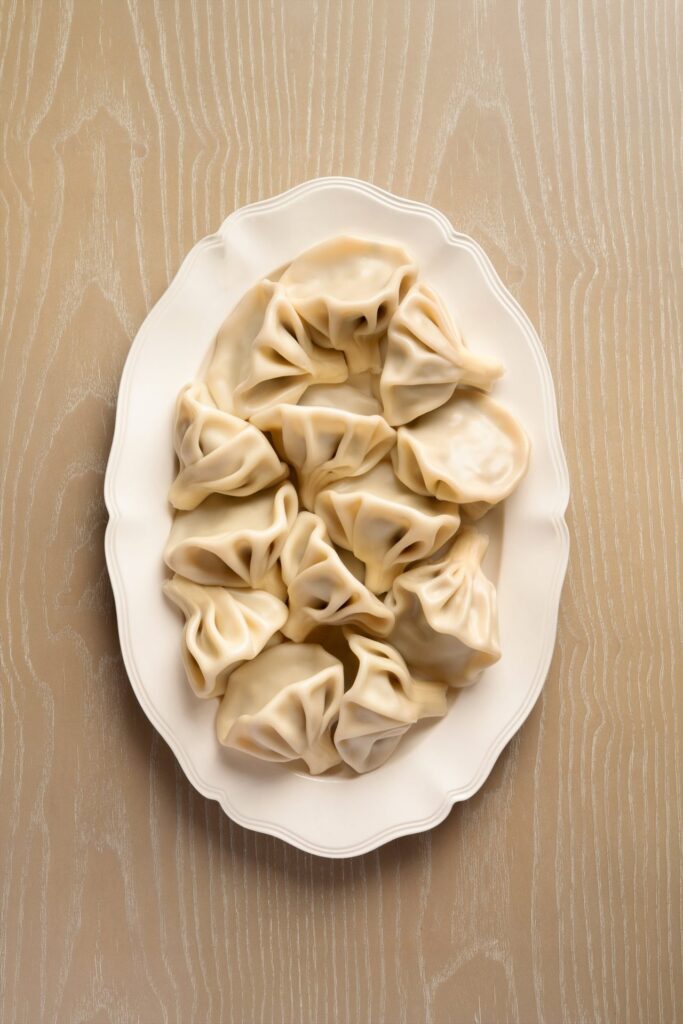
What khinkali is
Khinkali is a dish in which construction and flavour are inseparable. Its filling has a dual nature: meat and the broth that forms around it during boiling, sealed inside a casing of dough. This is what sets khinkali apart from similar dishes such as pelmeni or ravioli.
Khinkali is traced to the highland regions of Pshav-Khevsureti and Mtiuleti. The mountain version, known today as khevsuruli, was made with hand-chopped mutton seasoned only with salt, black pepper and mountain thyme. When the dish came down to the lowlands, Tbilisi effectively reinvented it: the city version added garlic and herbs, and mutton gave way to a blend of beef and pork. This is how kalakuri, the urban khinkali, took shape.
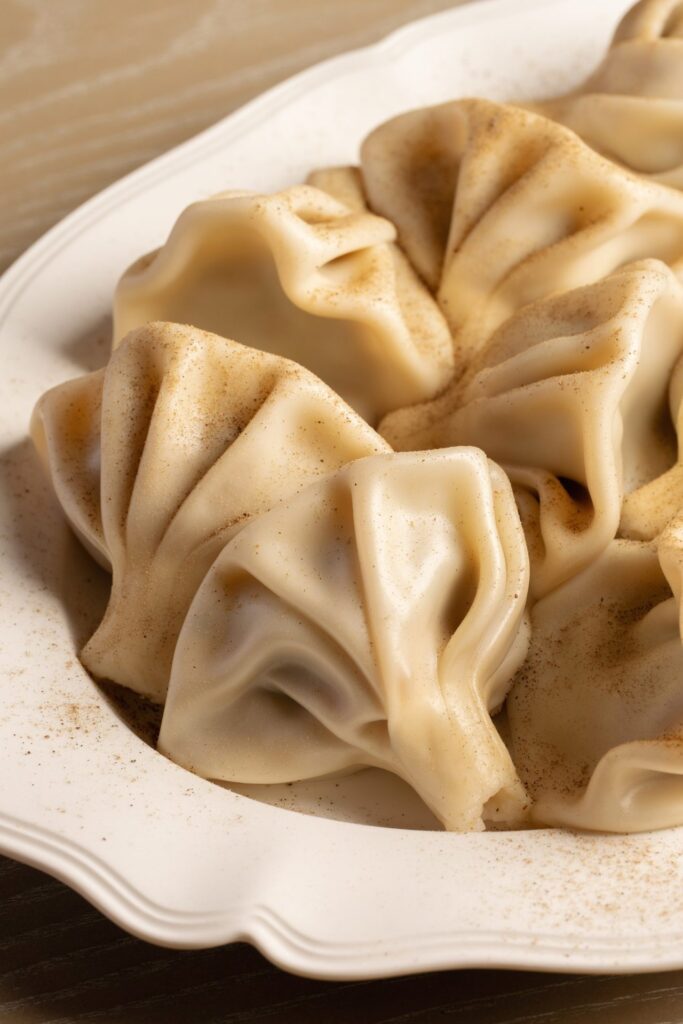
Dough, broth and pleats
A well-made khinkali rests on three elements: the dough, the filling and the broth. The dough must be thin yet dense, so that it holds the broth and does not tear during boiling. The pleats are structural rather than decorative: they distribute the weight of the dumpling and keep its shape. Folk tradition often argues about the number of pleats, but technique matters more than the count.
Khinkali is eaten by hand, because a fork pierces the dough and lets the broth escape. The broth is sipped at the first bite, and the kuchi, the knot where the pleats meet, is left on the plate. Black pepper is the only traditional addition.

Khinkali at Vakhtanguri
Vakhtanguri opened in Avlabari in 1993 as a small, buffet-style family eatery. From its first years, khinkali has been one of the restaurant’s principal dishes, alongside chebureki.
The origins of khinkali and the traditions around it are discussed in “Khinkali and Its Fascinating Historic Journey”, and the restaurant’s history in “Vakhtanguri - A Story That Begins in 1993”.
The other principal dish at Vakhtanguri is chebureki.
Pairings
Draft beer, chacha or Lagidze water suit khinkali very well. All three can be bought at Vakhtanguri.
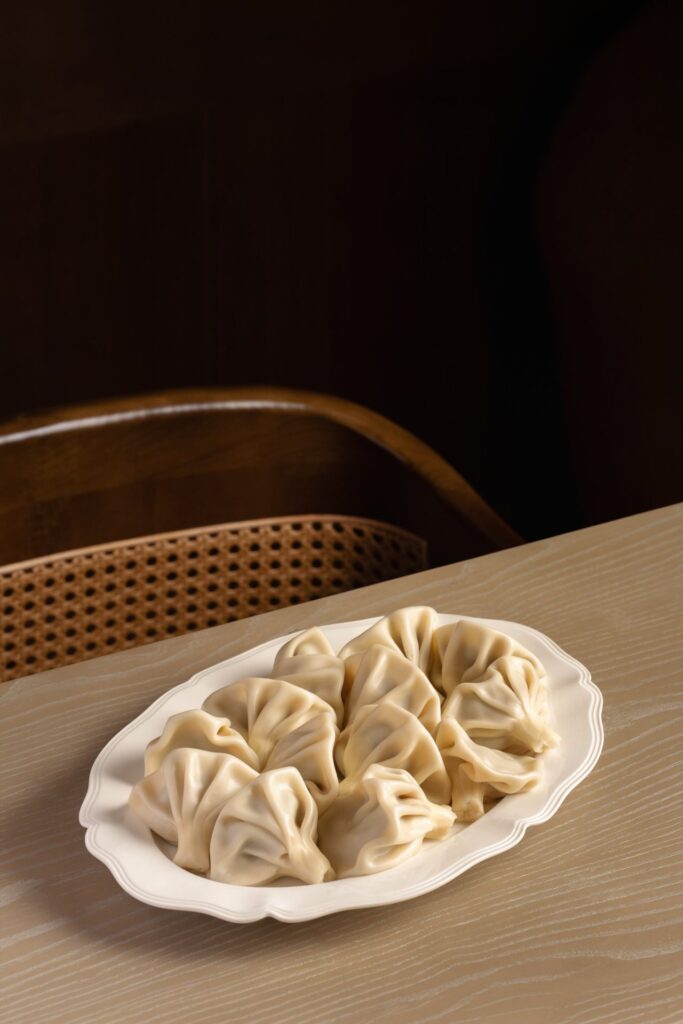

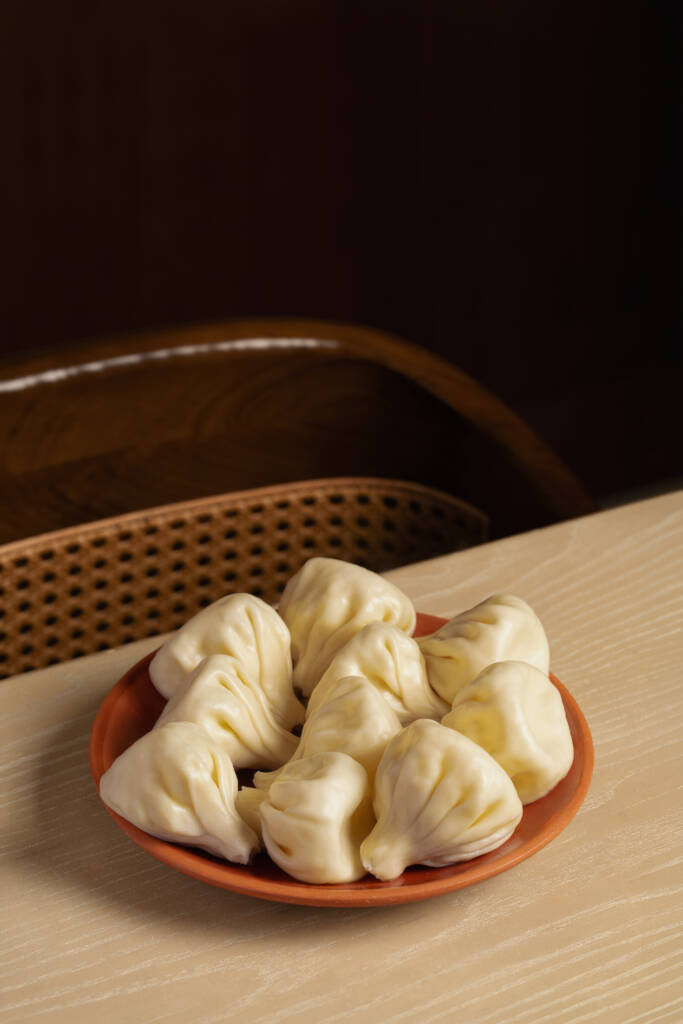
Location and take-away service
Vakhtanguri is at 4 Lagodekhi Street in Avlabari, a two-minute walk from Avlabari metro station and about ten minutes on foot from Holy Trinity Cathedral (Sameba).
Khinkali is available for take-away, with a minimum of three pieces of each kind. The restaurant is not listed on delivery apps.
Practical information
- Address
- 4 Lagodekhi St, Avlabari, Tbilisi
- Opening hours
- Daily, 11:00-02:00
- Phone
- +995 574 804 804
- Take-away service
- Available, minimum 3 pieces of each kind
Frequently asked questions
For any other question, call +995 574 804 804.
How much does khinkali cost at Vakhtanguri?
Between 1.5 and 2.8 GEL per piece, depending on the kind. Prices include service and VAT.
How many pieces can I order?
The minimum order is three pieces of each kind.
What is the difference between kalakuri and khevsuruli khinkali?
Khevsuruli is traditionally made with hand-chopped mutton and no herbs. Kalakuri is filled with beef and pork, herbs and green pepper. Vakhtanguri serves kalakuri, with or without herbs.
Is there vegetarian khinkali?
Yes. The cheese, mushroom and potato khinkali contain no meat.
Can I order khinkali for take-away?
Yes, khinkali is available for take-away, with a minimum of three pieces of each kind. The restaurant is not listed on delivery apps.
How is khinkali eaten?
By hand: hold it by the kuchi, the knot at the top, and sip the broth at the first bite. The kuchi is left on the plate, and black pepper is the traditional addition.
Where is the restaurant and when is it open?
Vakhtanguri is at 4 Lagodekhi Street in Avlabari, a two-minute walk from Avlabari metro station. It is open every day from 11:00 to 02:00.
Khinkali in Avlabari
Vakhtanguri is open every day from 11:00 to 02:00. Tables can be booked online or by phone.